

Polana Raspberry Plants

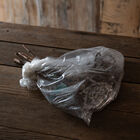
Polana Raspberry Plants
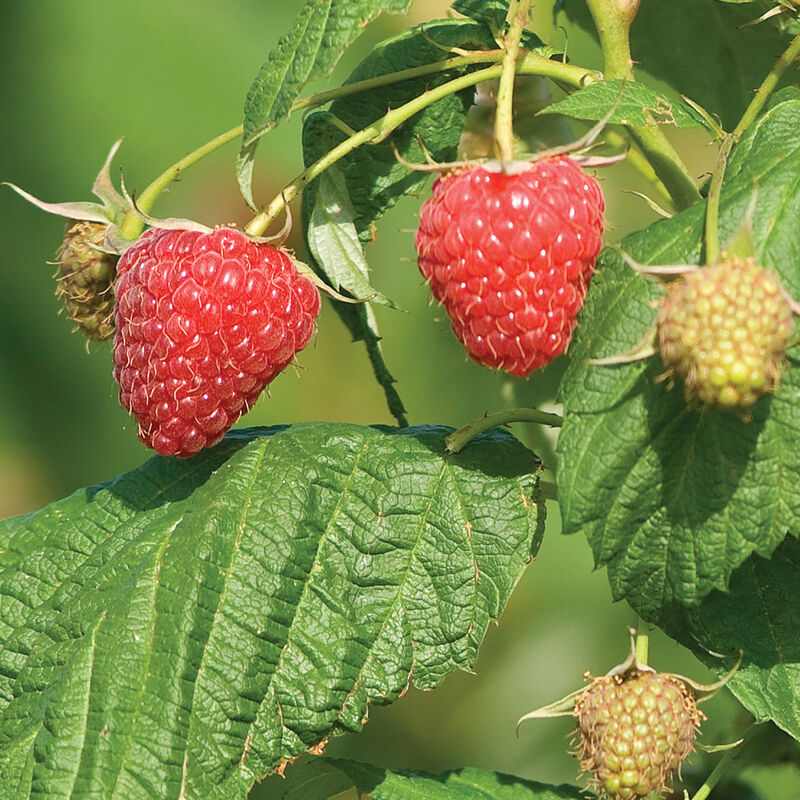
Early everbearing variety. The best bet for areas where early fall frost is a concern.
Up to 3 weeks earlier to harvest than Heritage, the standard everbearing raspberry. Large, glossy red berries with good flavor. Hardy, compact plants do best with high fertility. Everbearing or fall-bearing type plants. From Poland. Grows best in Zones 3-8. 1 Unit = 1 plant.
- This product does not ship to Canada.
- This product does not ship to the following countries: United Arab Emirates, Austria, Australia, Barbados, Belgium, Bulgaria, Bermuda, Bahamas, Switzerland, Cyprus, Czech Republic, Germany, Denmark, Estonia, Spain, Finland, France, United Kingdom, Greece, Hong Kong, Croatia, Hungary, Ireland, Iceland, Italy, Japan, Republic of Korea, Kuwait, Cayman Islands, Lithuania, Luxembourg, Latvia, Malta, Netherlands, Norway, New Zealand, Oman, Poland, Portugal, Qatar, Romania, Saudi Arabia, Sweden, Singapore, Slovenia, Slovakia, San Marino, Thailand, Trinidad and Tobago, Taiwan, Ukraine.
- This product does not ship to the following states and jurisdictions: AA, AE, AP, AS, FM, GU, HI, MH, MP, PR, PW, VI.
This item’s size, weight, or shape may require an additional shipping surcharge based on the shipping location selected. Specific charges will be displayed during checkout.
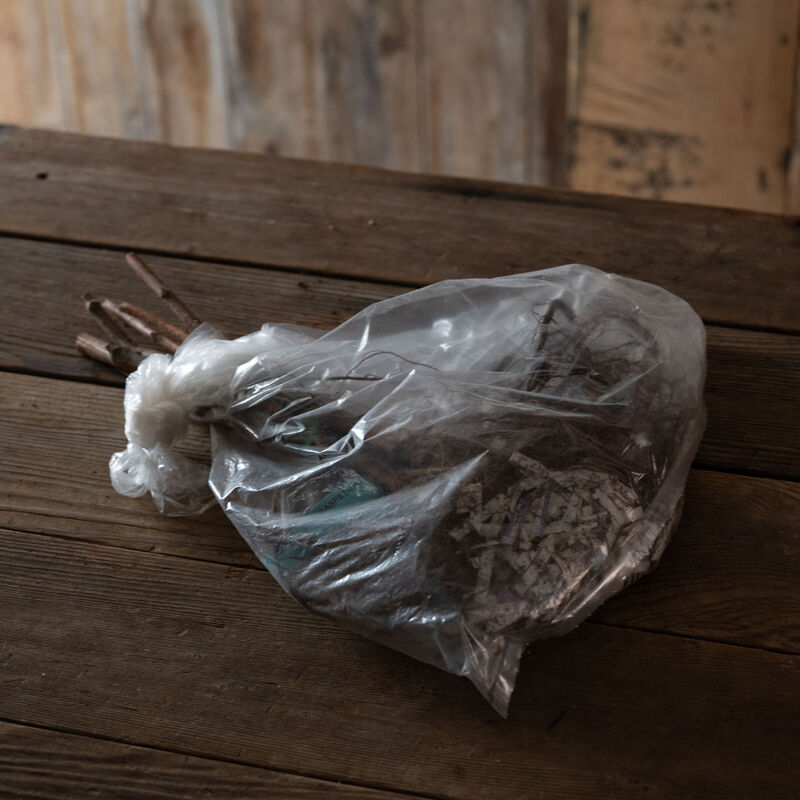
This perishable item ships weekly from mid February through late June, starting in the South. Add item to cart and enter your shipping zip code to select from a list of available ship dates for your plant hardiness zone. If you wish to choose a ship date earlier than the recommended dates you must place your order by phone (1-877-564-6697). Physical address required for delivery (no PO Boxes).
SCIENTIFIC NAME:
Rubus spp.CULTURE:
Raspberries perform best in full sun, with good air movement and fertile, very well-drained soil. Raised beds are an option if your site is poorly drained. Raspberries prefer soil with a pH between 5.5 and 6.5.PLANTING:
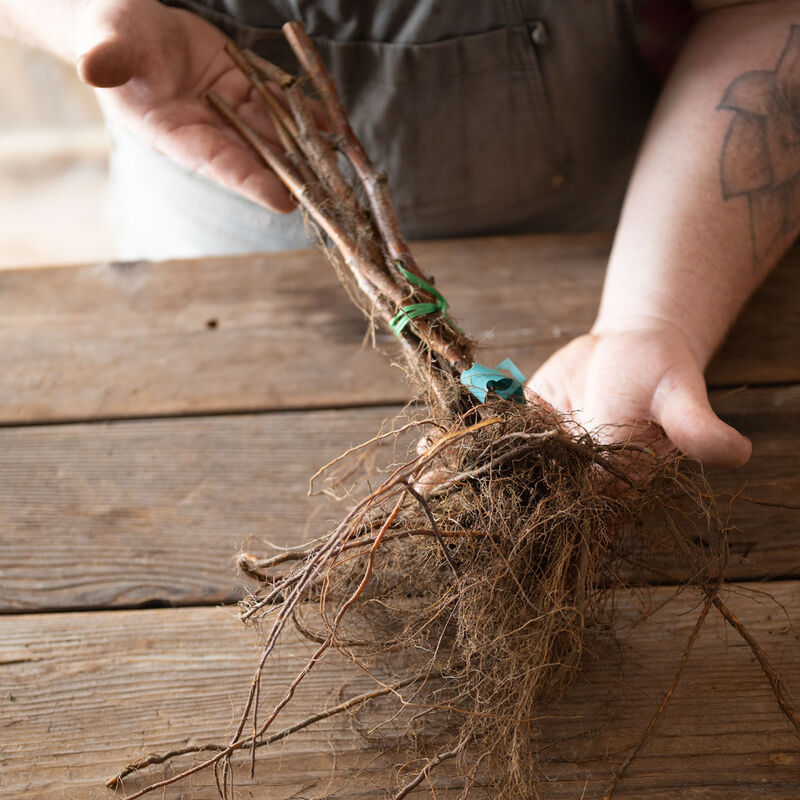
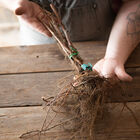
Adequate spacing is important for best yields. Beds should be 2' wide, with paths between the beds a minimum of 8' wide. Space plants 18-24" apart in the row. For bare-root plants, spread the roots laterally from the stem and cover roots with 1/2-1" soil. For plug plants, transplant plugs deeply enough to cover plug soil with 1/2-1" garden soil. Irrigate well after transplanting and maintain good moisture levels until plants are well-established or for 4-6 weeks after transplanting.Proper soil moisture is important during the establishment-year and drip irrigation is the best method. Mulch to keep the soil evenly moist and to prevent weeds. Our Raspberry Planting Guide, included with each order, explains pruning and trellising, and contains information on specific diseases.
HARVEST:
Beginning the 2nd year for Summer-Fruiting varieties. Everbearing varieties will bear a small crop during their 1st year. Raspberries for fresh eating are almost always harvested by hand, as they do not ripen uniformly enough to machine harvest. Keep berries cool after harvest.SPECS:
Approx. 50 plants/100' row, or 3,630 plants/acre at 24" spacing, rows 8' apart.Johnny's is committed to your success, every step of the way.
We want you, our customer, to be 100% satisfied with all of our seeds, tools, and supplies.
If anything you purchase from us proves unsatisfactory, we will either replace the item or refund the purchase price.