

Hot Pepper Seeds
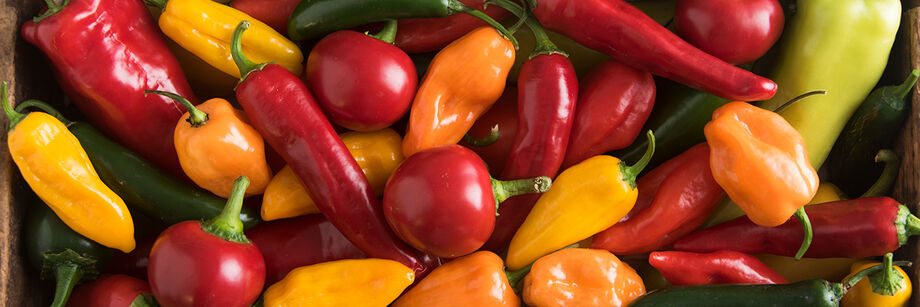
Hot peppers (also called chili peppers) come in all shapes, sizes, colors, and flavors. The level of intensity — from mild to mouth-blistering super-hot peppers — is measured using the Scoville scale; the higher the number, the hotter the pepper. Johnny's shorthand for heat scale is 1 to 5 small pepper symbols. Hot peppers are an essential ingredient in specialty and ethnic cuisines, eaten fresh or dried, or fashioned into decorative ristras. Johnny's varieties are selected on the basis of flavor, earliness, productivity, and adaptability in all categories: Anaheim/NuMex (also called hatch), anchos/poblanos, cayenne chile, Fresno, habanero, jalapeno, Santa Fe, serrano, and other hot specialty peppers. Select from conventional and organic hot pepper seeds.

36 Products
Sort By:
Sort By:

New
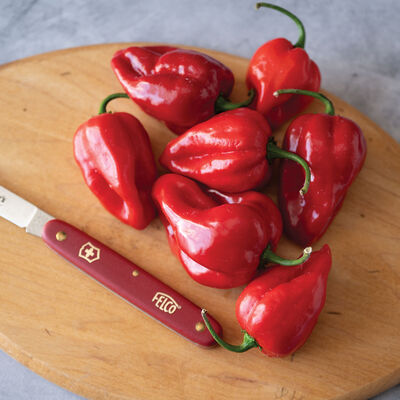
Velociraptor
(F1) Habanero Pepper Seed

Extra-early, prolific habanero with classic shape.
Out Of Stock
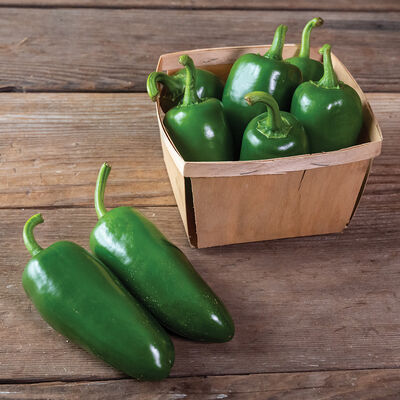

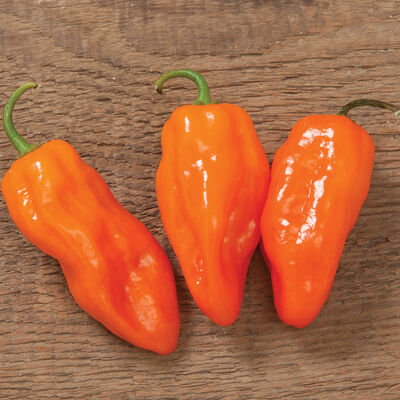
Helios
(F1) Habanero Pepper Seed
Extra-early hybrid habanero; good yields in North, short-season areas.
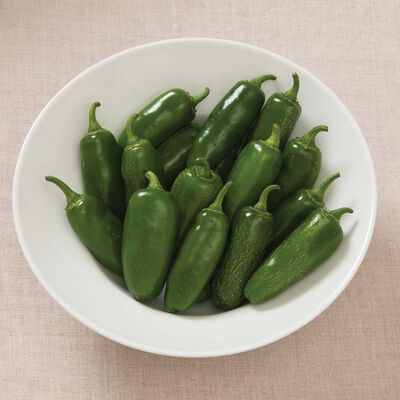
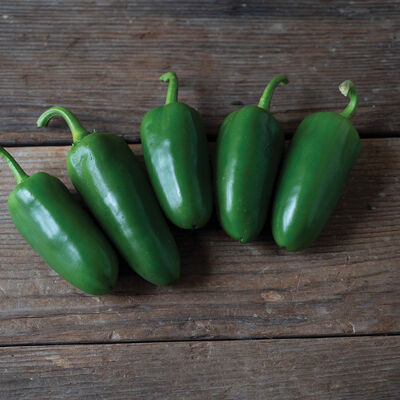
Early Jalapeño
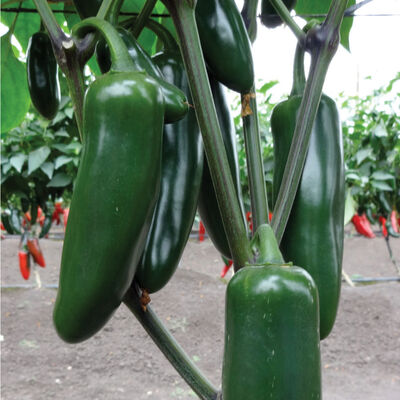
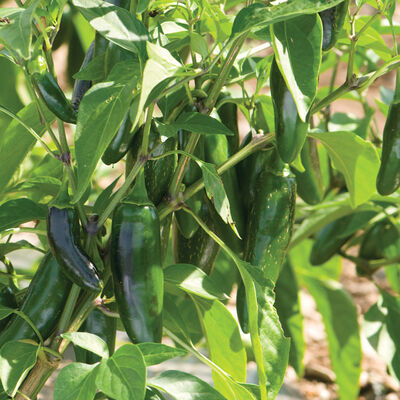
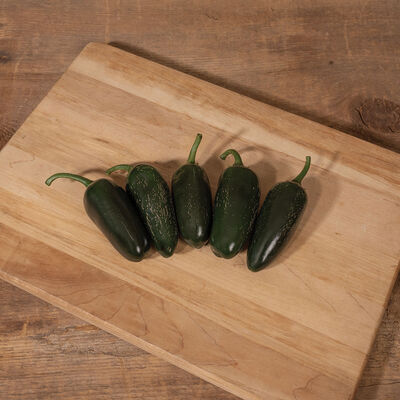
Organic Jalapeño Pepper Seed


Open-pollinated jalapeño with more skin checking than our hybrids.
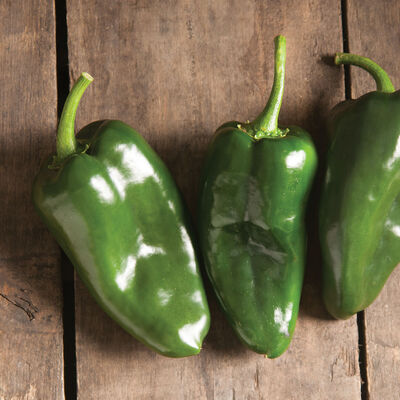
Bastan
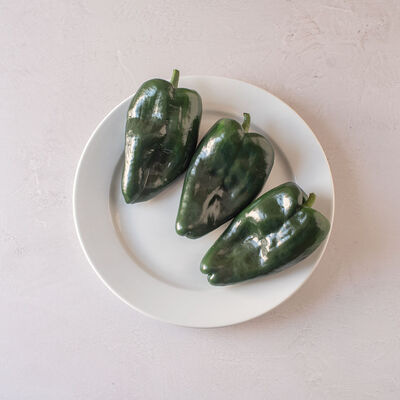
Organic (F1) Poblano Pepper Seed

Early and adaptable poblano, easy to peel for chile rellenos.
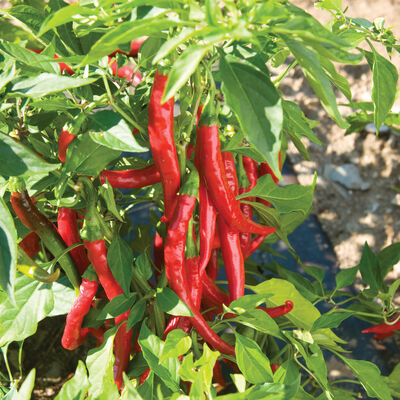
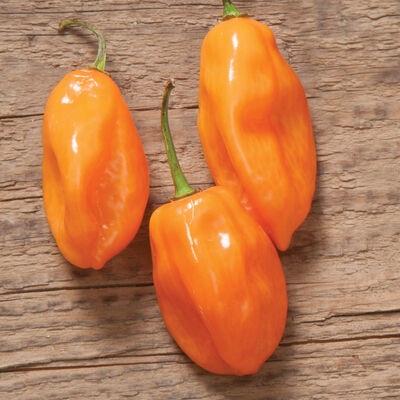
Habanero
Organic Habanero Pepper Seed
Super-hot! Pungent habanero for fresh, dried use, and "jerk" sauces.
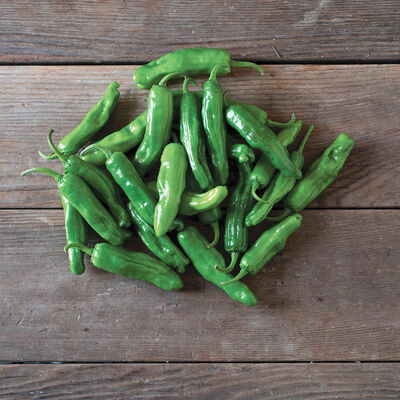
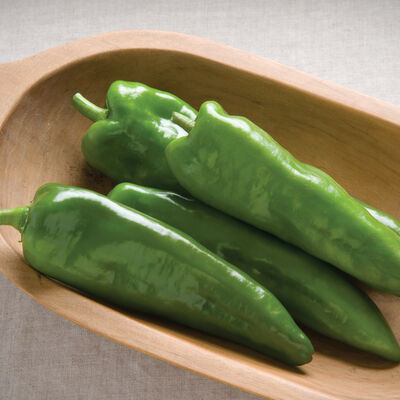
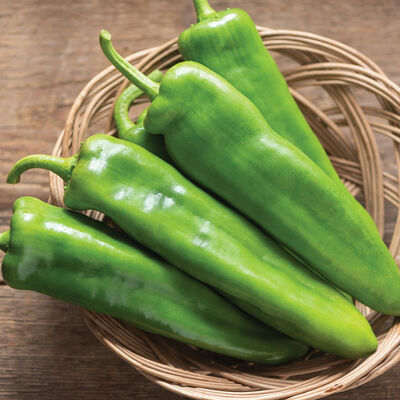
Highlander
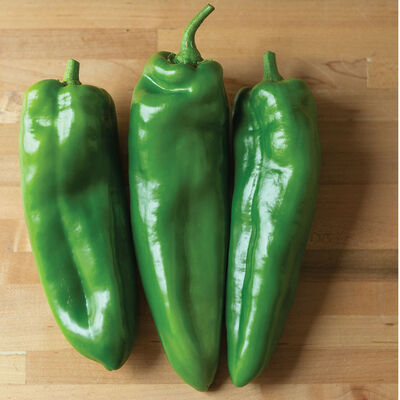
Organic (F1) Anaheim Pepper Seed


Early Anaheim bred by Johnny's for good productivity in cooler areas.
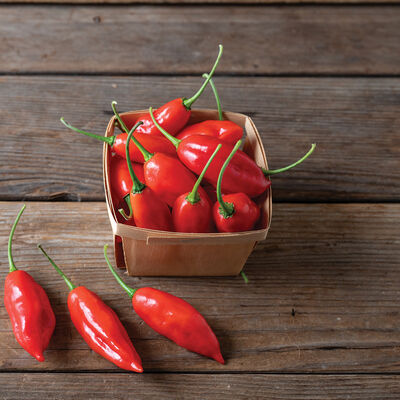
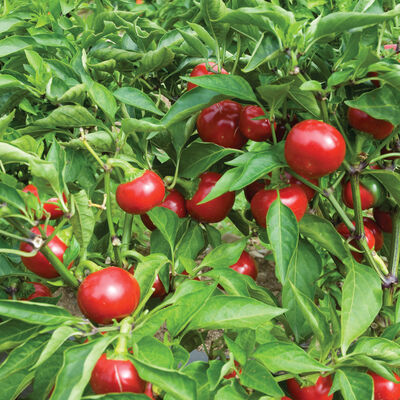
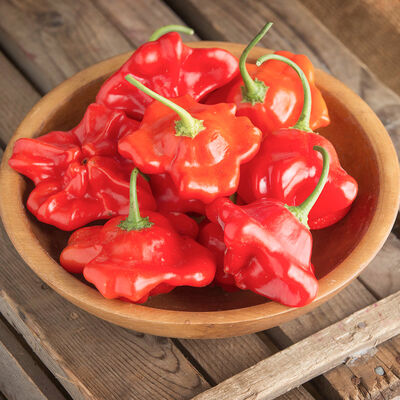
Hot Paper Lantern
Organic Habanero Pepper Seed

Magnificent fruits; earlier, more productive than regular habaneros.

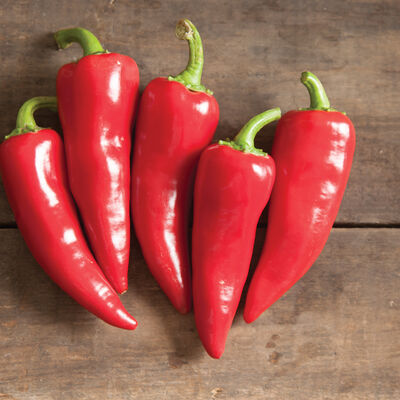
Flaming Flare
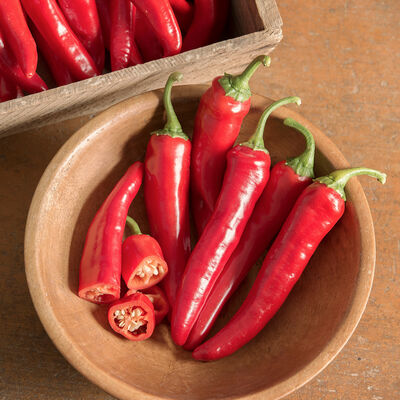
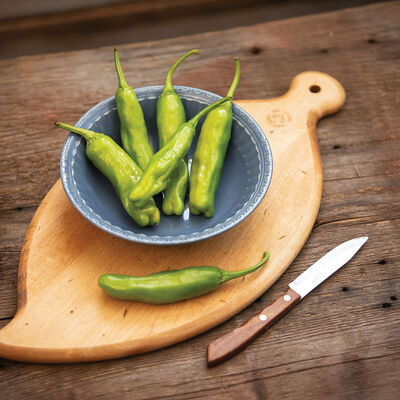
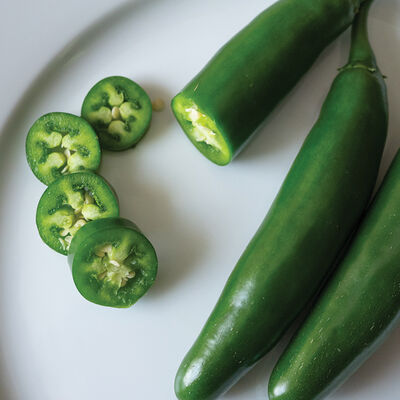
(F1) Fresno Pepper Seed

Widely-adapted, thin-walled Fresno with very good, mildly hot flavor.
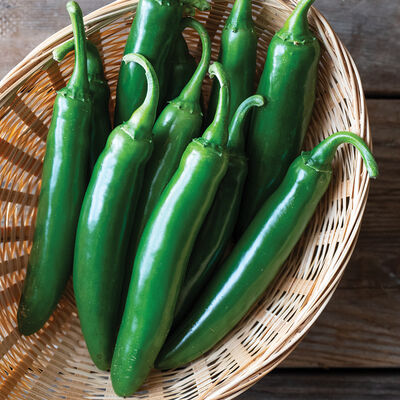
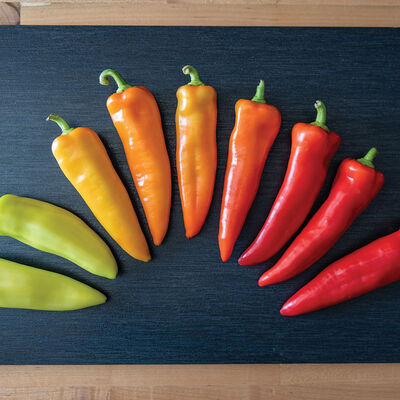
Sale
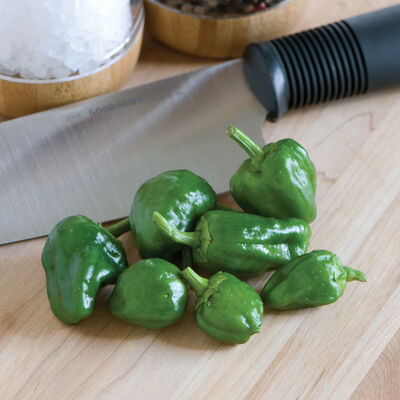

Sale
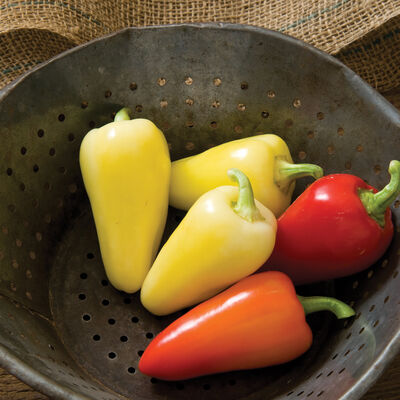
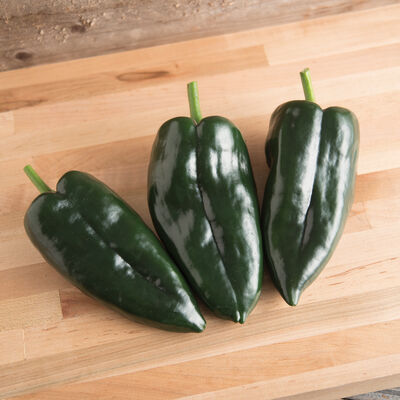
Baron
(F1) Poblano Pepper Seed
Large, highly adaptable poblano ideal for chile rellenos.
Out Of Stock
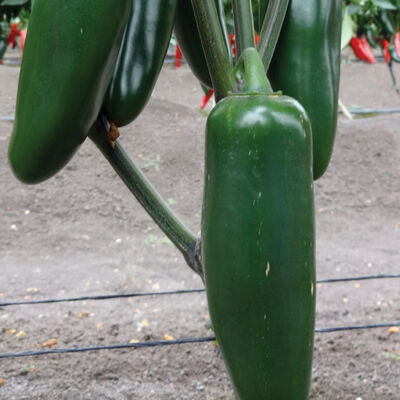
Hot peppers (also called chili peppers) come in all shapes, sizes, colors, and flavors. They are an essential ingredient in specialty and ethnic cuisines, eaten fresh or dried, or fashioned into decorative ristras or wreaths.
Hot Pepper Heat Levels
The level of intensity—from mild to mouth-blistering super-hot peppers—is measured using the Scoville scale:; the higher the number, the hotter the pepper. Johnny's shorthand for heat scale is 1 to 5 small pepper symbols, with 5 being the hottest.
- Super Hot Peppers: if you are looking for 5-chili-pepper heat, we recommend ‘Habanero’, ‘Helios’, or ‘Hot Paper Lantern’.
- Mild Hot Peppers: the mildest hot peppers we offer include our Aji pepper, ‘Mojo’; Anaheim peppers ‘Charger’, ‘Highlander’, and ‘Spitfire’; Shishito ‘Shishimai’; the Bishop’s Crown ‘Mad Hatter’; ‘Padron’; and our Pepperoncini ‘Paisan’.
Choosing Hot Pepper Types & Varieties
- Learn about different hot pepper types, their traditional uses, and our variety recommendations in our article Johnny’s Hot Pepper Palooza: 10 Types of Chili Peppers to Bring the Heat to Your Harvest
- Container growing: for those growing hot peppers in containers, we recommend ‘Hot Paper Lantern’ (Habanero).
How to Grow Hot Peppers
- Pepper Key Growing Information: a simple overview of essential growing information.
- Field-Grown Pepper Production Tech Sheet (PDF): an in-depth growing guide from seeding to harvest.
- Growing Tips for Successful Pepper Seedlings: tips on successfully germinating pepper seeds and growing and transplanting healthy seedlings.